- Home
- Braemac Blog
- What is 5G Ultra Wideband?
What is 5G Ultra Wideband?

About Hope Carpenter
Hope Carpenter is a Digital Marketing Specialist at the Exponential Technology Group (XTG). With a background in journalism and marketing, she brings a research-driven, detail-oriented approach to technical content development within the electronic components industry. Her work focuses on translating complex engineering concepts into clear, accurate digital content that supports engineers and technical decision-makers, while strengthening brand visibility across XTG.
In an industry where milliseconds matter, the convergence of 5G and ultra-wideband (UWB) is redefining what fast, reliable connectivity really means. From augmented reality (AR) AR and virtual reality (VR) to industrial automation and smart infrastructure, next-generation systems demand more than raw speed; they require precision, low latency, and consistent performance in real-world environments.
While standard 5G improves general connectivity, different 5G networks can vary in speed, coverage, and reliability. UWB extends 5G capabilities by enabling ultra-fast data transfer, centimeter-level positioning accuracy, and reliable performance in dense indoor and urban settings.
UWB is a low-power, high-bandwidth radio frequency technology capable of transmitting large amounts of data in microseconds. It’s ideal for short-range, indoor device-to-device communication, and its impact is already visible in consumer electronics. Apple introduced UWB with the iPhone 11, enabling smarter AirDrop transfers and their patented iBeacon technology. Today, the integration of 5G and UWB is pushing connectivity further than ever before, unlocking real-time positioning, secure device interactions, and high-reliability communication.
What is 5G UWB and How Does it Work?
5G UWB is a high-frequency, high-capacity deployment of 5G that leverages wide channels in the upper end of the 5G spectrum, particularly millimeter-wave (mmWave) bands. Rather than a separate technology, UWB represents how 5G is deployed when ultra-fast speeds and low latency are the priority.
Within the 5G spectrum, UWB sits above sub-6 GHz and mid-band frequencies, using mmWave to enable significantly higher throughput. The tradeoff is reduced range and limited ability to penetrate obstacles, which makes coverage more challenging.
To compensate, 5G UWB networks rely on beamforming to direct signals toward devices, small cells to extend coverage in dense areas, and network densification to maintain consistent performance. These techniques allow 5G UWB to deliver high-performance connectivity in environments like urban centers, stadiums, and large indoor facilities.
5G UWB vs Alternatives
5G UWB is designed for very high throughput and low latency in dense deployments, achieving multi-gigabit speeds with single-digit millisecond latency under ideal conditions. UWB performs best in urban areas, campuses, and large venues, while coverage can be more challenging in suburban and rural settings due to mmWave range and penetration constraints.
Compared to 5G Sub-6 GHz, UWB trades coverage for capacity, Sub-6 provides broader reach and better indoor penetration, but with lower peak speeds and higher latency. 4G LTE offers broad coverage and robust propagation. Its lower bandwidth and high latency mean it may not meet the demands of some high-performance or low-latency applications.
| Technology | Throughput | Coverage | Penetration | Latency |
|---|---|---|---|---|
| 4G LTE | Moderate | Wide, strong propagation | Excellent | Tens of ms |
| 5G Sub-6 GHz | Up to ~1 Gbps | Broad urban/suburban reach | Good | ~10 ms |
| 5G UWB | Multi-gigabit | Limited, dense infrastructure | Limited | Single digit ms |
Against non-cellular technologies, UWB fills a specialized niche. Wi-Fi 6/6E can deliver gigabit-class performance within local networks but lacks wide-area mobility. Fiber provides unmatched speed and reliability but requires fixed infrastructure. Private LTE offers controlled wide-area coverage with predictable performance, though at lower peak speeds and higher latency than UWB. In practice, 5G UWB complements these technologies, enabling high-speed, low-latency wireless connectivity where both mobility and performance are required.
Design Considerations
When evaluating whether to incorporate UWB into your 5G design, several factors can help guide planning and implementation. These considerations focus on how UWB interacts with devices, networks, and your overall system requirements.
- Device compatibility: Ensure that devices in your network support UWB communication and any required frequency bands or protocols. Compatibility across endpoints helps maintain seamless operation and accurate data transfer.
- Infrastructure requirements: UWB networks may use small cells, beamforming-enabled antennas, and network densification techniques to maintain signal coverage and consistent latency in environments with multiple connected devices.
- Network security: Incorporate encryption, authentication, and access control measures to protect communications and safeguard sensitive information transmitted over UWB networks.
- Integration into existing 4G/5G core networks: Consider how UWB devices will interface with your current network infrastructure, including backhaul capacity, routing, and interoperability with other connectivity technologies.

- Application-specific considerations: The decision to deploy UWB depends on the particular use case, such as location tracking, low-latency communication, or short-range high-bandwidth data exchange. Each scenario may prioritize different aspects of network performance, energy efficiency, or deployment density.
By addressing these factors, teams can make informed choices that align UWB deployment with project goals, system architecture, and operational needs.
Real-World Use Cases
UWB can support a variety of applications across industries, enabling improved connectivity, precision, and low-latency communication where it is most beneficial.
- Enterprise mobility and remote work enablement: UWB can enhance location-aware services, asset tracking, and device coordination for dynamic office or campus environments.
- Smart manufacturing and IIoT environments: High-precision communication and low-latency connectivity help streamline automation, monitoring, and machine-to-machine interactions.
- AR/VR applications in training and field service: UWB can improve device positioning and responsiveness for immersive experiences and operational support.

- Fixed Wireless Access (FWA) as a fiber alternative: UWB can complement high-speed wireless links in scenarios where fiber installation is limited or impractical.
- Private 5G networks for campus environments: UWB can be integrated to support scenarios with multiple connected devices, location services, and specialized connectivity requirements.
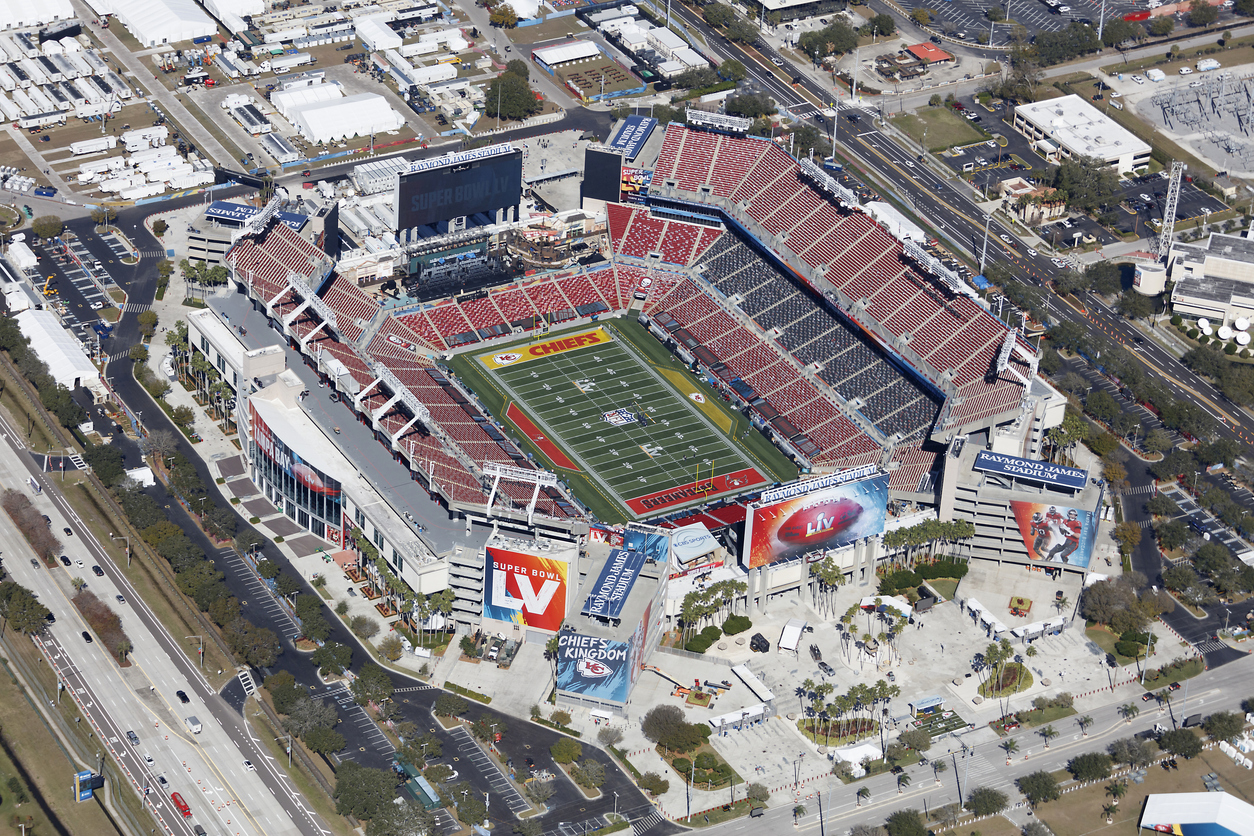
For example, Verizon deploys 5G UWB in NFL stadiums to support real-time multi-angle video streaming, instant player stats, and interactive fan experiences. The high-speed, low-latency network ensures thousands of fans can access rich, live content simultaneously without delays or interruptions.
Exploring UWB Solutions Now Available at Braemac Americas
Whether you’re designing IIoT, VR, or other advanced applications, Braemac Americas offers a comprehensive portfolio of UWB solutions tailored to meet your unique design requirements. Our range of antennas, modules, and transceivers ensures reliable, high-precision connectivity, low latency, and energy-efficient performance, helping you bring your projects to life with confidence. Explore our solutions to future-proof your designs and unlock the full potential of UWB technology.
Qorvo DWM3000
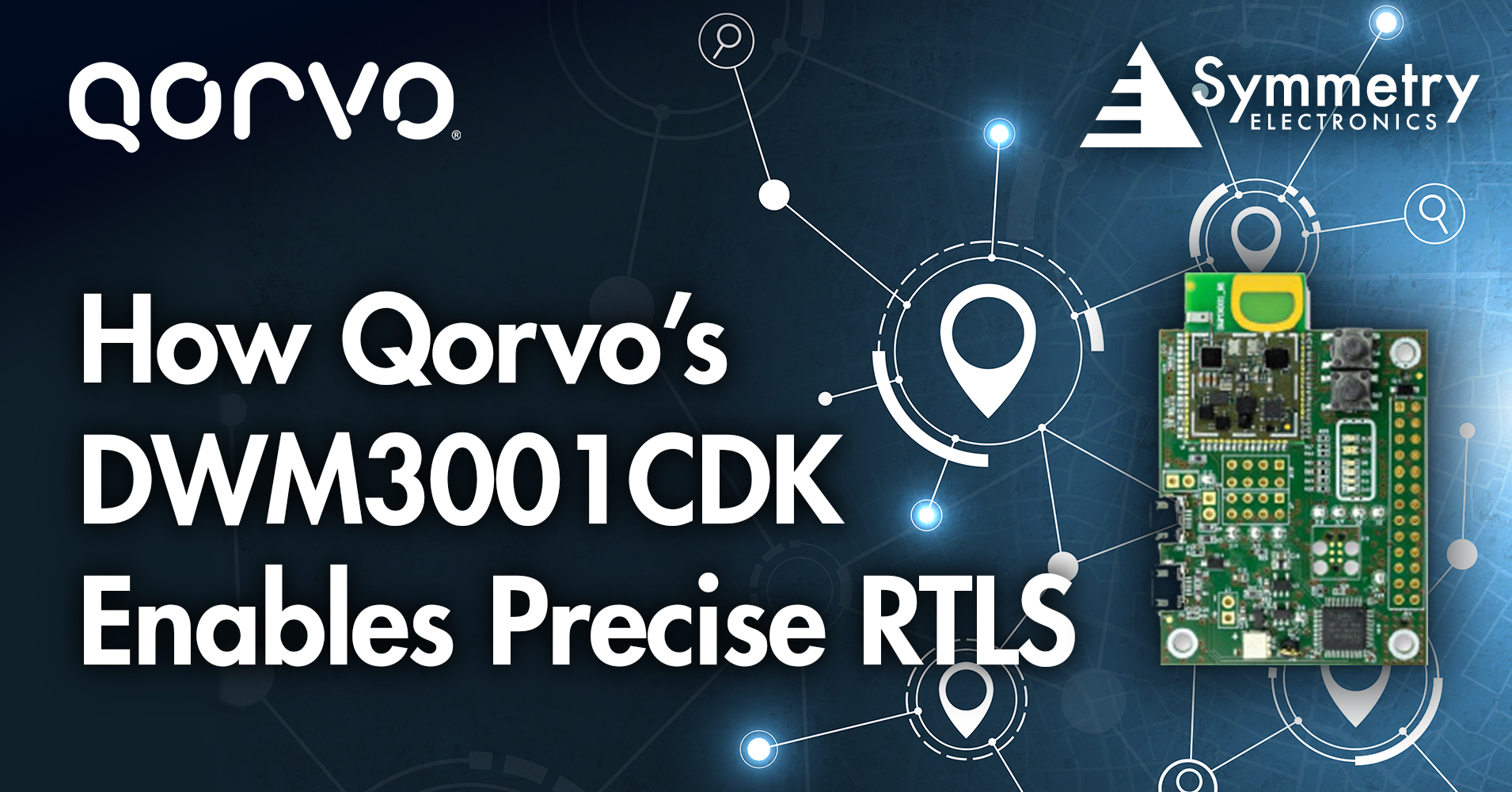
The Qorvo® DWM3000 is a fully integrated UWB transceiver module that simplifies integration by combining antenna, RF circuitry, power management, and clock circuitry. It supports 2-way ranging and TDoA location systems with up to 10 cm precision and 6.8 Mbps data rates, fully compliant with FiRa™ standards. Low power consumption and high accuracy make it ideal for real-time location systems (RTLS) and location-aware wireless sensor networks. This allows organizations to deploy scalable, reliable, and high-performance tracking solutions across industrial, enterprise, and smart environments.


Taoglas PCUWB01.01.0500G
The Taoglas PCUWB.01 is an external adhesive-mount UWB antenna offering omnidirectional coverage across all UWB frequencies, ensuring strong, uniform sensor signals. Its high efficiency, low group delay variation, and excellent fidelity factor preserve signal integrity for accurate measurements. Low power operation extends battery life and reduces operational costs. Housed in an IP67-rated enclosure, it is suitable for both indoor and outdoor use. The antenna is ideal for precision surveying, smart home systems, and indoor location tracking, and works seamlessly with the Decawave ScenSor DW1000 and other UWB modules.

Taoglas TU.60.3H31
The Taoglas TU.60.3H31 is a high-efficiency, omnidirectional UWB antenna covering 3.5–8 GHz for global applications, delivering precise and reliable location and distance sensing. With up to 91% efficiency, low group delay variation, and 3 dBi gain, it ensures accurate indoor positioning, smart home control, keyless entry, and precision surveying. Its low-power design extends sensor battery life. The IP67 ABS enclosure protects against harsh environments. A standard N-Type connector allows seamless integration with UWB modules and systems.

Frequently Asked Questions
What is 5G UWB?
5G UWB, or Ultra Wideband 5G, is an advanced form of 5G that goes beyond standard connectivity. It provides ultra-fast data transfer, highly accurate positioning down to the centimeter, and reliable performance even in dense indoor or urban environments.
What’s the difference between mmWave & 5G UWB?
The difference between mmWave and 5G UWB is that mmWave uses extremely high-frequency spectrum to support short-range, high-bandwidth wireless connections. 5G Ultra Wideband (UWB) refers to a high-performance 5G deployment that leverages mmWave spectrum to enhance speed and capacity in specific environments. Ultra-Wideband (UWB) technology, defined by IEEE standards, is a separate short-range wireless technology and is often used alongside 5G networks for precise range and location-based applications.
Can 5G UWB replace Wi-Fi in enterprise settings?
5G UWB is not typically positioned as a full replacement for Wi-Fi in enterprise settings because it is primarily designed for high-precision location services and low-latency communication rather than general internet access. Wi-Fi often provides broader coverage and high-bandwidth connectivity for general purposes.
Does 5G UWB provide secure data privacy?
Yes, 5G UWB provides secure data privacy by incorporating encryption and authentication protocols to protect communications. These measures ensure device data is transmitted safely and reduce the risk of interception.
How does UWB impact battery life in devices?
UWB impacts battery life minimally because it is highly energy-efficient for short, precise transmissions. Devices using UWB can maintain long battery life while supporting continuous tracking or communication functions.

.jpg)
About Hope Carpenter
Hope Carpenter is a Digital Marketing Specialist at the Exponential Technology Group (XTG). With a background in journalism and marketing, she brings a research-driven, detail-oriented approach to technical content development within the electronic components industry. Her work focuses on translating complex engineering concepts into clear, accurate digital content that supports engineers and technical decision-makers, while strengthening brand visibility across XTG.
Subscribe
Stay up to date with industry and supplier news!