- Home
- Braemac Blog
- 5 Remote Care Innovations Redefining Modern MedTech
5 Remote Care Innovations Redefining Modern MedTech

About Hope Carpenter
Hope Carpenter is a Digital Marketing Specialist at the Exponential Technology Group (XTG). With a background in journalism and marketing, she brings a research-driven, detail-oriented approach to technical content development within the electronic components industry. Her work focuses on translating complex engineering concepts into clear, accurate digital content that supports engineers and technical decision-makers, while strengthening brand visibility across XTG.
A quarterly checkup used to be enough. Now, with more people managing complex health needs over the long term, that model is showing its limits. Issues develop between visits, warning signs go unnoticed, and by the time a patient is back in the office, the window for early intervention has often passed.
That's where remote patient monitoring comes in. Connected devices, real-time data transmission, and AI-driven diagnostics are giving care teams visibility they never had before, and the industry is taking notice. The remote patient monitoring market is projected to reach nearly $189 billion by 2028 as more care shifts outside the clinic
What is Remote Care?
Remote care monitoring is the continuous collection of patient health data from outside the clinical setting, allowing care teams to identify and address issues without an in-person visit.
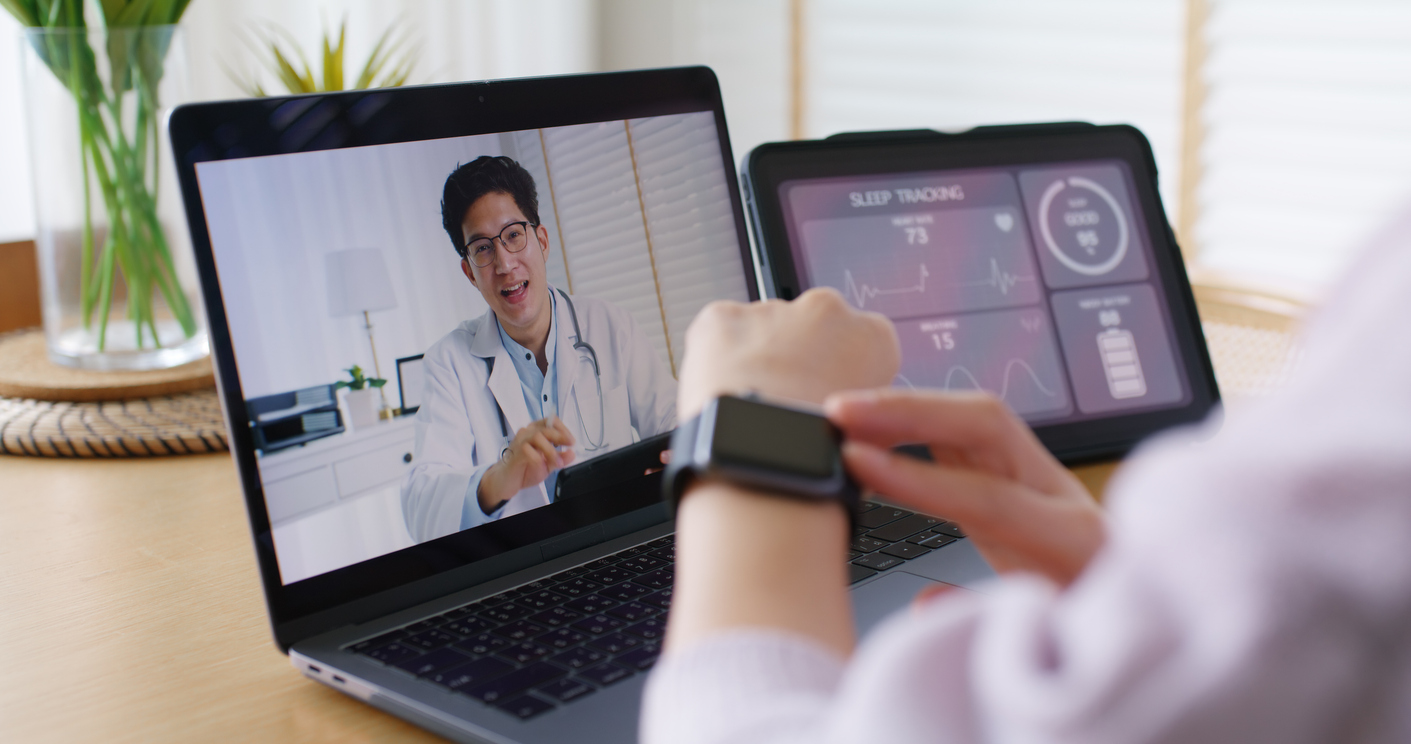
A remote patient monitoring system runs on six components:
- Wearable devices and implantables capture biometric data at the source
- Sensors continuously track environmental and physiological signals
- Connectivity protocols securely transmit data to the cloud
- Cloud infrastructure stores and organizes incoming data
- Analytics engines process data and identify meaningful changes
- Automation triggers alerts or actions when intervention is needed
Remote care monitoring enables patients with chronic conditions to receive continuous support. By collecting and transmitting real-time data to care teams, improving access in rural and underserved areas. Providers can catch problems sooner and make better decisions with data that’s being collected around the clock. For health organizations, remote monitoring reduces readmissions, eases clinical staff workload, and provides a continuous view of patient health. While healthcare is the primary application, the same system architecture also powers industrial equipment diagnostics, precision agriculture, and field service management.
Top 5 Next-Gen Remote Care Innovations
As mentioned, wearables, sensors, connectivity protocols, cloud platforms, analytics, and automation work together to move health data from patients to care teams and enable timely interventions. Each component has a clear role, and together they power five innovations changing remote care.
1. Wearable and Personal Monitoring
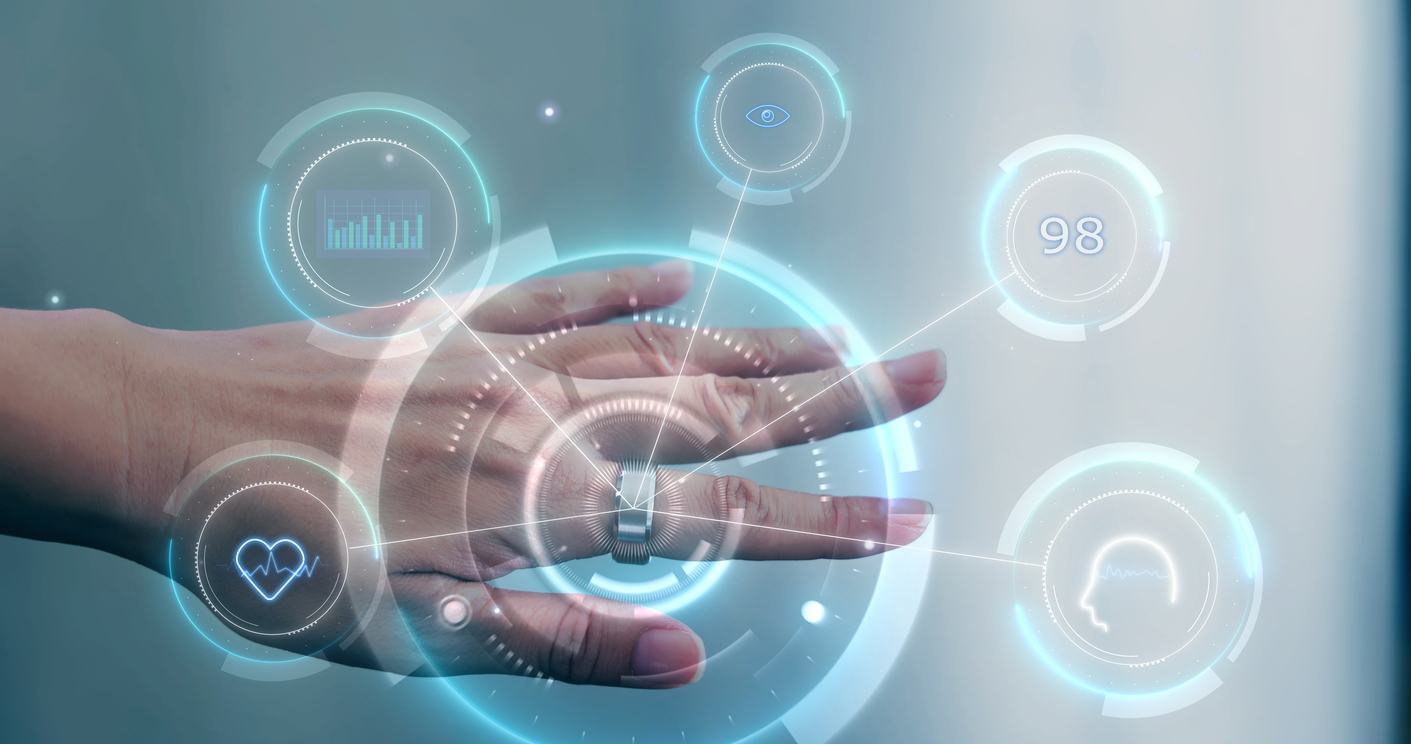
Medical-grade patches and biosensors, like the BioIntelliSense BioSticker, track heart rate, blood oxygen, temperature, and ECG continuously without disrupting daily life. Consumer devices also deliver relevant data: the Apple Watch offers FDA-cleared ECG mapping the electrical impulses of your heartbeat to detect signs of atrial fibrillation (AFib), a serious form of irregular heart rhythm, or to confirm a normal sinus rhythm and fall detection for cardiac and geriatric monitoring. The Oura ring tracks sleep and activity, providing insights into your sleep health and stress levels. And for parents, the Owlet baby monitor tracks real-time heart rate, oxygen levels, and sleep quality, and sends notifications to a base station if readings fall outside of pre-set, safe zones.
2. Connected In-Home Medical Devices
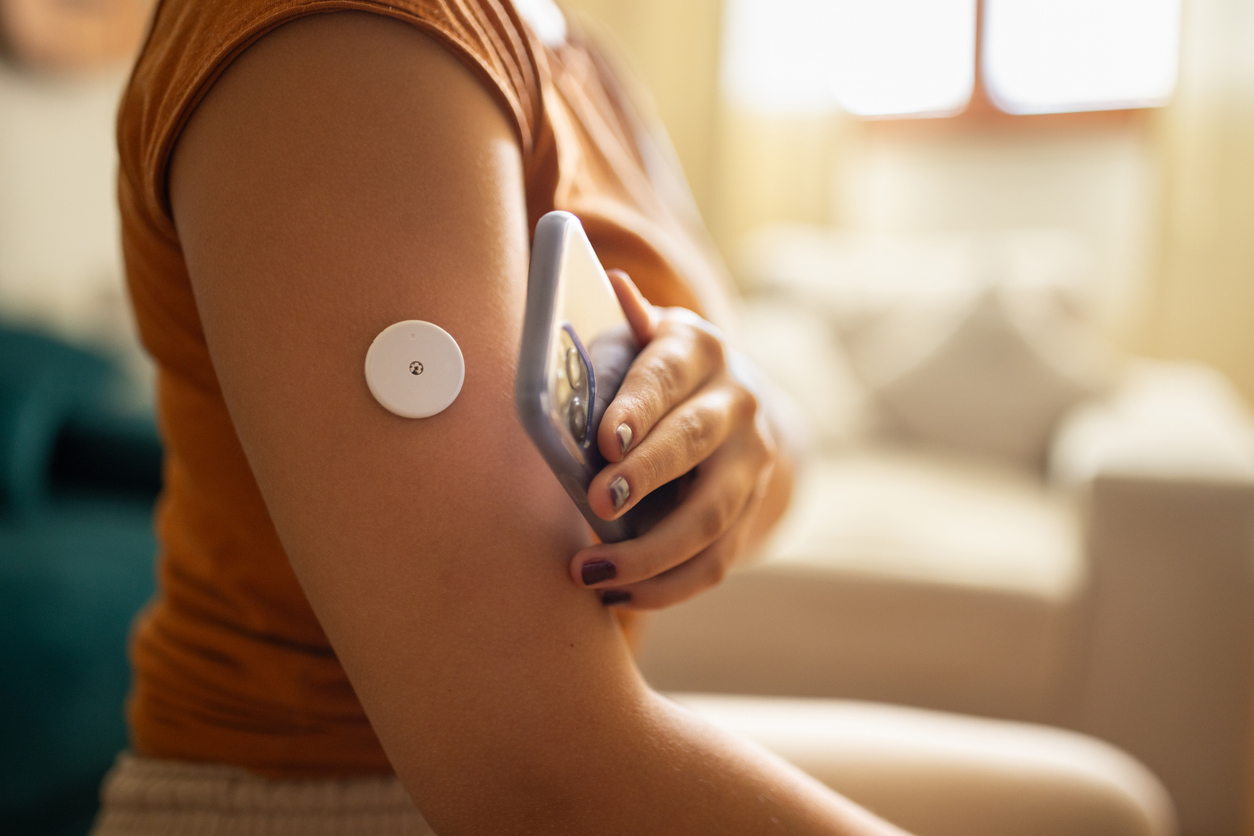
Digital blood pressure cuffs, pulse oximeters, and smart thermometers automatically show important measurements on platforms, eliminating the need for manual logging. The Dexcom G7 delivers real-time glucose readings and trend alerts without finger pricks for improved diabetes management. Connected nebulizers, CPAP machines, smart spirometers, and automated medication dispensers give care teams visibility into treatment adherence, lung function, and missed doses.
3. Edge AI for Near-Patient Compute
Edge AI processes data locally, detecting arrhythmias, irregular breathing, and abnormal glucose fluctuations instantly, without waiting for the cloud. Local machine learning also reduces the bandwidth needed for continuous uploads. Zero-touch provisioning lets devices configure themselves automatically, and over-the-air firmware updates keep them secure and up to date without clinic visits or technical support.
4. Multi-Modal Connectivity
Bluetooth LE handles short-range device communication, Wi-Fi supports home devices, and LTE/5G ensures reliable coverage for mobile patients. Multi-SIM failover gateways maintain connection if a primary network fails. Continuous connectivity is critical for patient safety. Hybrid networks reduce dropped connections, maintain uninterrupted data flow, and allow hospital-at-home programs to operate at scale.
5. Clinical Cloud Platforms that Turn Raw Data into Actionable Insights
Next-generation cloud platforms store, organize, and analyze data from connected devices, providing real-time alerts, dashboards, and predictive analytics that detect patient deterioration early. FHIR-first integration ensures data flows directly into EHR systems. Patient-facing mobile apps give individuals access to their health data and a direct communication channel with care teams. Platforms like Digi Remote Manager enable large-scale device management and deliver actionable insights to support chronic disease management, remote triage, and population health without overloading care teams.
Creating Unified Remote Care Ecosystems with Solutions Available at Braemac Americas
Each of these five innovations brings tremendous value to the groups of people they’re helping. When wearables, in-home devices, and cloud platforms share a common data layer, care teams get a complete picture of patient health instead of fragmented readings across disconnected systems.
Braemac Americas provides the full technology stack to build that foundation. From sensors and connectivity modules to edge compute hardware and cloud-ready platforms, their solutions keep devices updated, data flowing, and care teams focused on patients rather than infrastructure. For healthcare organizations, that means more patients reached, fewer gaps in care, and better visibility across the entire population.
u-blox NINA-B30
The u-blox NINA-B3 series delivers compact, high-performance Bluetooth® Low Energy connectivity with a powerful Arm® Cortex®-M4 processor and advanced low-power operation, making it ideal for portable and wearable health devices. NINA-B30 modules let developers run custom applications, while NINA-B31 modules come preloaded with u-connectXpress software for easy configuration, secure operation, and support for vital health monitoring features. Available with internal or external antennas, globally certified NINA-B3 modules simplify integration, enabling reliable, long-runtime solutions for remote patient monitoring, assisted living, and connected wellness devices. Designed for performance, security, and user trust, these modules help healthcare and fitness devices extend care safely and reliably from clinics into homes.


Digi International ConnectCore® MP1
The Digi International ConnectCore® MP1 is a compact, industrial- and medical-grade system-on-module powered by the STM32MP13/MP15 MPU, delivering high performance, built-in security with Digi TrustFence®, and advanced power management. Pre-certified dual-band Wi-Fi 5, Bluetooth 5.2, and Gigabit Ethernet connectivity simplify integration and accelerate regulatory approvals. Caregivers and hospital systems can remotely monitor devices via Digi Remote Manager®, while Yocto® Linux support and scalable SMTplus® form factor enable flexible, long-term product development. This complete ecosystem supports secure, real-time wearable, portable, and assisted-living healthcare solutions, powered by Digi's medical solutions.


Digi International ConnectCore® 93
The Digi International ConnectCore® 93 is a high-performance, industrial- and medical-grade system-on-module (SOM) built on the NXP® i.MX 91/93 processor, with up to two Arm® Cortex®-A55 cores, an Arm Ethos U65 AI/ML NPU, and optional Cortex-M33 for real-time control. Pre-certified dual-band Wi-Fi 6, Bluetooth® 5.4, and seamless Digi XBee® cellular integration deliver secure, reliable connectivity for IoT, industrial, medical, and edge computing applications. Built-in Digi TrustFence® security, efficient power management, and a 10+ year lifecycle ensure scalable, long-lasting devices. With Digi Embedded Yocto® Linux, ConnectCore Cloud Services, and expert support, OEMs can accelerate development, deployment, and remote management.

Silicon Labs EFR32BG22
The Silicon Labs EFR32BG22 Wireless Gecko family delivers energy-efficient Bluetooth® connectivity for a wide range of IoT applications. Combining a 76.8 MHz ARM® Cortex®-M33 core with a high-performance 2.4 GHz radio, these SoCs offer low-power operation, up to 512 kB flash, 32 kB RAM, and integrated PA with up to 6 dBm TX power. With secure boot, root-of-trust security, and AEC-Q100 Grade 1 qualification (select parts), they are ideal for connected home, portable medical, asset tracking, fitness, and building automation devices. The EFR32BG22 supports Bluetooth Direction Finding, Mesh Low Power Nodes, and other advanced wireless features, enabling reliable, scalable IoT solutions.


.png)
Remote Care Frequently Asked Questions
What is remote care monitoring?
Remote care monitoring is the collection and transmission of patient health data outside a traditional clinic. It lets care teams track, manage, and respond to patients remotely using connected devices, cloud platforms, and analytics. With remote care monitoring, patients get timely attention, and providers can improve outcomes, especially for chronic conditions.
Remote care monitoring is the collection and transmission of patient health data outside a traditional clinic. It lets care teams track, manage, and respond to patients remotely using connected devices, cloud platforms, and analytics. With remote care monitoring, patients get timely attention, and providers can improve outcomes, especially for chronic conditions.
What types of devices are used in remote care?
Remote care uses devices like wearables, medical patches, smartwatches, blood pressure cuffs, pulse oximeters, and automated medication dispensers. These devices capture important health data and transmit it securely to care teams, forming the foundation of effective remote care monitoring programs.
Remote care uses devices like wearables, medical patches, smartwatches, blood pressure cuffs, pulse oximeters, and automated medication dispensers. These devices capture important health data and transmit it securely to care teams, forming the foundation of effective remote care monitoring programs.
How does remote care help patients with chronic conditions?
Remote care helps patients with chronic conditions by providing continuous oversight of their health outside the clinic. Monitoring vital signs, medication adherence, and other health metrics lets providers catch problems early and respond quickly, reducing complications and improving long-term outcomes.
Remote care helps patients with chronic conditions by providing continuous oversight of their health outside the clinic. Monitoring vital signs, medication adherence, and other health metrics lets providers catch problems early and respond quickly, reducing complications and improving long-term outcomes.
How is patient privacy and security maintained in remote care?
Patient privacy and security in remote care are ensured through multiple layers of protection. Remote care devices and platforms use encryption, secure boot, and device authentication to keep data safe. Cloud-based systems comply with regulations like HIPAA, ensuring that sensitive health information collected and transmitted through remote care is accessed only by authorized care teams.
Patient privacy and security in remote care are ensured through multiple layers of protection. Remote care devices and platforms use encryption, secure boot, and device authentication to keep data safe. Cloud-based systems comply with regulations like HIPAA, ensuring that sensitive health information collected and transmitted through remote care is accessed only by authorized care teams.
What kinds of health data are collected and monitored remotely?
Remote care collects and monitors a wide range of health data to give care teams a full picture of patient well-being. This includes vital signs such as heart rate, blood pressure, and oxygen saturation, as well as glucose levels, sleep patterns, activity, medication adherence, and respiratory function. Monitoring these metrics remotely allows for continuous oversight beyond periodic clinic visits.
Remote care collects and monitors a wide range of health data to give care teams a full picture of patient well-being. This includes vital signs such as heart rate, blood pressure, and oxygen saturation, as well as glucose levels, sleep patterns, activity, medication adherence, and respiratory function. Monitoring these metrics remotely allows for continuous oversight beyond periodic clinic visits.
What role does AI play in remote care?
AI in remote care analyzes data from devices in real time, identifying issues like irregular heart rhythms or abnormal glucose levels. It can trigger automatic actions and reduce cloud bandwidth, making remote care monitoring faster, more efficient, and more scalable for large patient populations.
AI in remote care analyzes data from devices in real time, identifying issues like irregular heart rhythms or abnormal glucose levels. It can trigger automatic actions and reduce cloud bandwidth, making remote care monitoring faster, more efficient, and more scalable for large patient populations.
How can Braemac Americas support remote care programs?
Braemac Americas provides the full technology stack for remote care monitoring, including sensors, connectivity modules, edge compute hardware, and cloud platforms. Their solutions keep devices updated, data flowing, and care teams focused on patients, helping healthcare organizations implement remote care at scale with better outcomes and simpler operations.
Braemac Americas provides the full technology stack for remote care monitoring, including sensors, connectivity modules, edge compute hardware, and cloud platforms. Their solutions keep devices updated, data flowing, and care teams focused on patients, helping healthcare organizations implement remote care at scale with better outcomes and simpler operations.
About Hope Carpenter
Hope Carpenter is a Digital Marketing Specialist at the Exponential Technology Group (XTG). With a background in journalism and marketing, she brings a research-driven, detail-oriented approach to technical content development within the electronic components industry. Her work focuses on translating complex engineering concepts into clear, accurate digital content that supports engineers and technical decision-makers, while strengthening brand visibility across XTG.
Tags:
Cloud Computing
,
Edge Computing
,
Healthcare
,
IoT
,
Remote Care
,
Smart Health
,
Telehealth
,
Wearable Technology
Subscribe
Stay up to date with industry and supplier news!