- Home
- Braemac Blog
- Optimizing Cold Chain Logistics with Real-Time Telematics
Optimizing Cold Chain Logistics with Real-Time Telematics

About Hope Carpenter
Hope Carpenter is a Digital Marketing Specialist at the Exponential Technology Group (XTG). With a background in journalism and marketing, she brings a research-driven, detail-oriented approach to technical content development within the electronic components industry. Her work focuses on translating complex engineering concepts into clear, accurate digital content that supports engineers and technical decision-makers, while strengthening brand visibility across XTG.
As grocery e-commerce and pharmaceutical shipments increase, the U.S. cold chain has reached what the Global Cold Chain Alliance describes as a pivotal moment, driven by construction that is expanding storage and transit options for shippers. However, as refrigerated transport volumes rise, the risk of safety deviations and financial loss increases. When temperature issues go unnoticed, shipments quickly become unsafe or noncompliant. To prevent shipping errors, modern operations rely on integrated asset tracking and telematic solutions. By connecting advanced sensors to real-time visibility platforms, teams can maintain product quality, respond to changing conditions, and keep goods within required ranges to avoid costly losses.
Defining Cold Chain Failure Points
Cold chain distribution networks are particularly vulnerable to climate-control failures that can cause major economic and operational impact. A leading concern is temperature excursions, which occur when products move outside their required temperature range during transport or storage.

In the food industry, even minor excursions can result in spoilage and safety risks. The Food and Agriculture Organization estimates that approximately 14% of food produced globally is lost or wasted, with cold chain failures contributing significantly to these losses.
Usually, excursions are caused by a mix of equipment, process, and visibility:
- Reefer malfunctions: Compressor failures, cooling system issues, or power interruptions.
- Human error during loading or unloading: Doors left open, incorrect temperature settings, or improper cargo placement.
- Connectivity dropouts: Gaps in monitoring that prevent continuous temperature visibility.
- Latency in alerting systems: Delayed notifications that allow excursions to persist before corrective action is taken.
A cold chain failure in vaccine logistics occurred in January 2021, when Maine health officials reported that 4,400 doses of the Moderna COVID-19 vaccine were rendered unusable after 35 of 50 shipments exceeded safe temperature limits during transit. Although temperature-monitoring devices were in place, the incident underscores the limitations of monitoring without timely alerts and actionable intervention.
Beyond product loss, these failures disrupt operations and pose reputational risks. Over time, repeated issues damage customer trust, making reliable control essential not only for compliance but for long-term brand confidence.

Meeting the Demand for Modern Logistics
Modern operations require more than basic temperature checks at pickup and delivery. To manage rising volumes and regulatory expectations, teams need continuous visibility across the entire supply chain that is supported by real-time monitoring and reliable data. These needs are intensifying as grocery e-commerce and last-mile delivery scale, all while organizations face mounting pressure to reduce waste and operate sustainably.
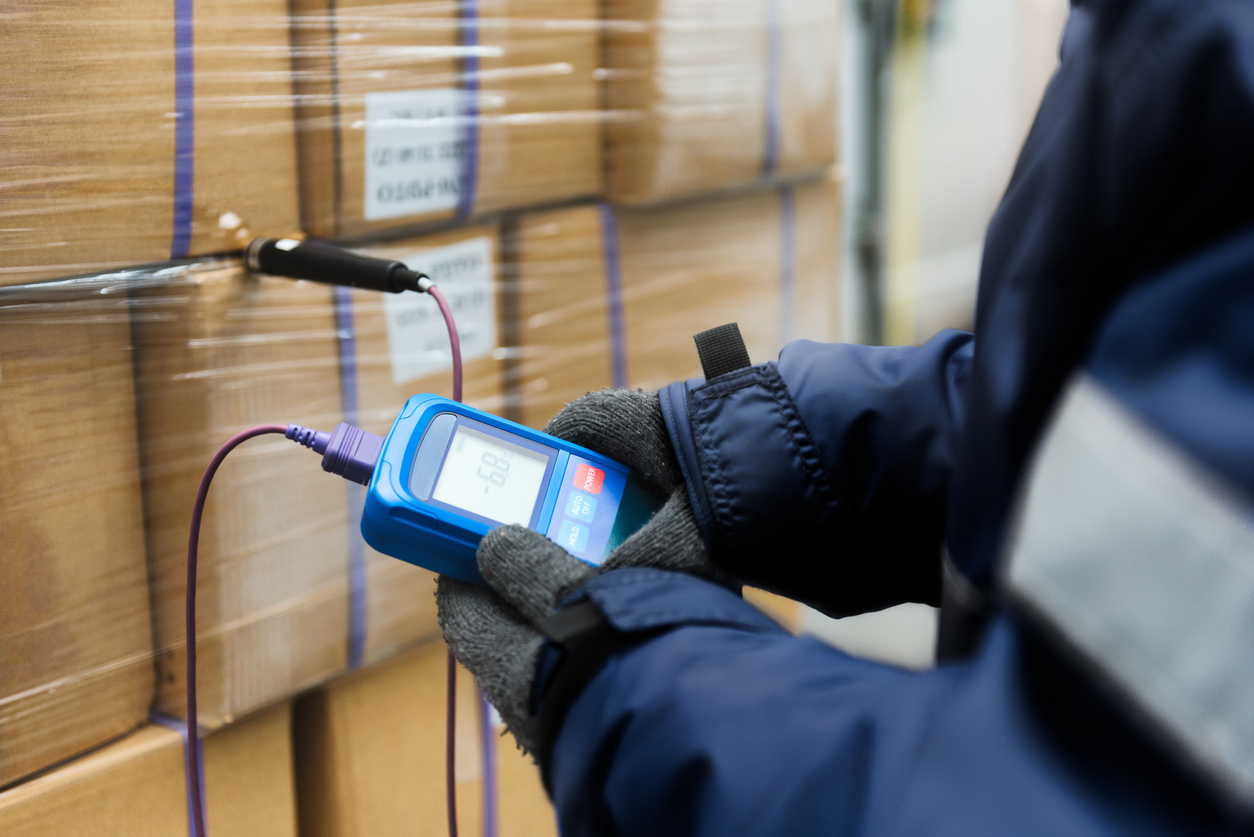
To meet real-time temperature tracking and regulatory requirements, sensor-driven systems across trucks, reefers, containers, and cold storage facilities enable teams to detect temperature deviations, door openings, and route anomalies as they occur. Cold chain logistics rely on diverse hardware, so interoperability is critical. Data must flow into a unified view of the supply chain rather than remain siloed across disconnected platforms.
As a solution, fully digital ecosystems are emerging to bridge the gaps between transit and storage data. By combining connected sensors with integrated GPS and environmental telemetry, digital platforms move beyond simple monitoring to forecast potential failures before they occur. This transition toward predictive, integrated logistics allows teams to maintain strict compliance and protect product quality across an increasingly complex supply chain
Innovating Supply Chains with Solutions Now Available at Braemac Americas
Integrated GPS, temperature, and environmental telemetry give organizations visibility across mobile and stationary assets. By combining multiple sensors and data streams into a unified system, operations can reduce spoilage, prevent product loss, and maintain validated monitoring without data gaps.
Braemac Americas supplies the sensors, connectivity solutions, and telematics technologies used to develop end-to-end cold chain monitoring. These components enable the interoperable, validated, and continuous temperature tracking required to meet compliance standards and operate efficiently across the supply chain.
u-blox ZED-F9
u-blox ZED-F9 series provides high-precision GNSS. ZED-F9R modules combine multi-band GNSS with integrated inertial sensors and sensor-fusion algorithms to maintain continuous positioning in environments with intermittent or degraded satellite reception, such as tunnels or urban canyons. They support RTCM- and SSR-formatted GNSS corrections and provide raw GNSS and inertial measurement data for advanced positioning applications. ZED-F9H solutions delivers high-accuracy heading and attitude sensing when paired with a ZED-F9P reference based in a moving-base configuration enabling centimeter-level relative positioning. Compact and interface-compatible (UART, SPI, I²C), the ZED series supports continuous positioning and heading data.


u-blox NEO-D9
The u‑blox NEO series provides GNSS correction data for high‑precision positioning. The NEO‑D9C receives QZSS L6 corrections, including CLAS and MADOCA, enabling centimeter‑level positioning. The NEO‑D9S receives global L‑band GNSS corrections and allows selection of correction services. Both modules support UART and USB interfaces (SPI and I²C where specified) for integration with GNSS receivers. They provide correction data output for use with compatible GNSS receivers.


Sensiron SHT4x
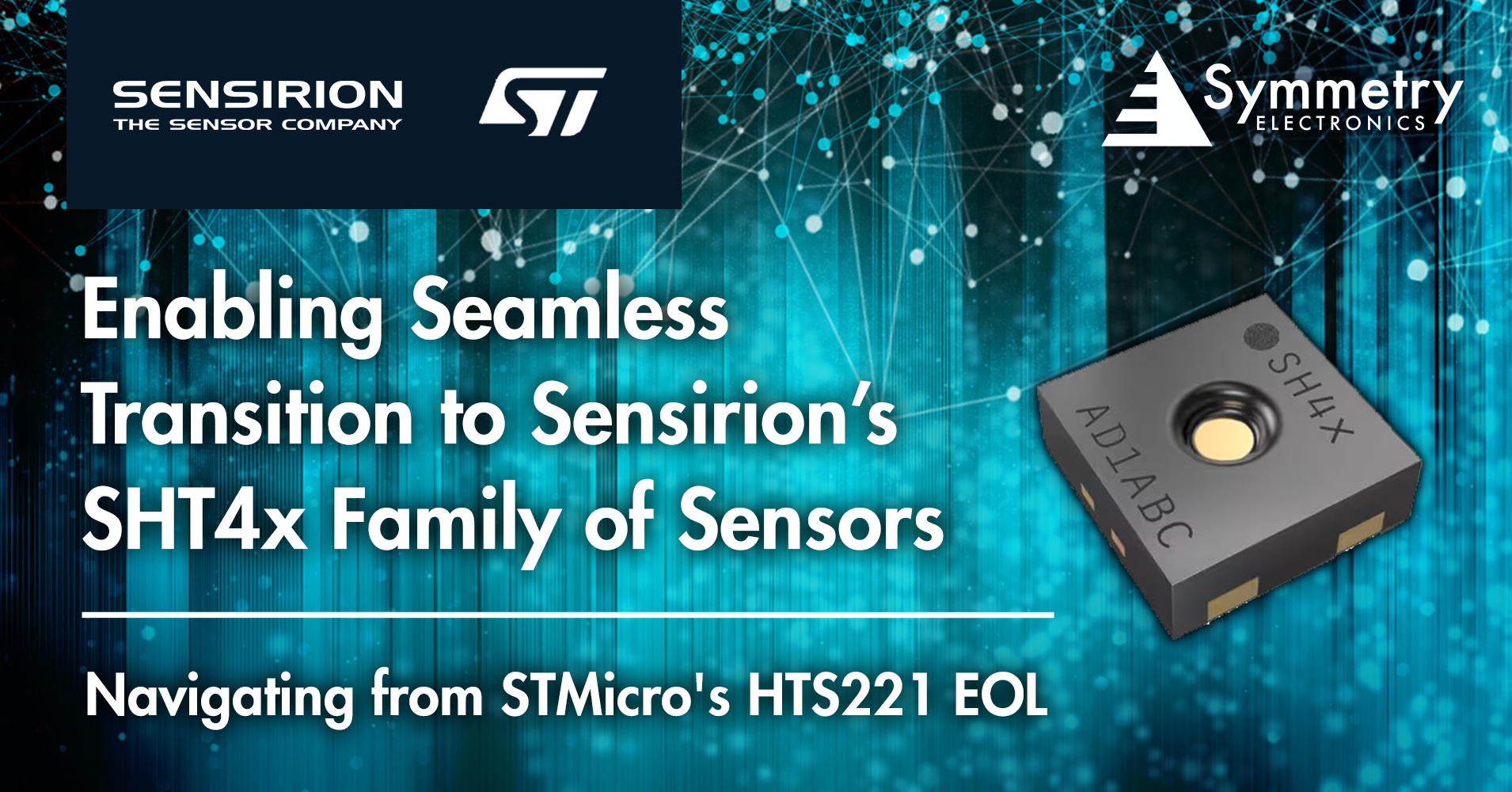
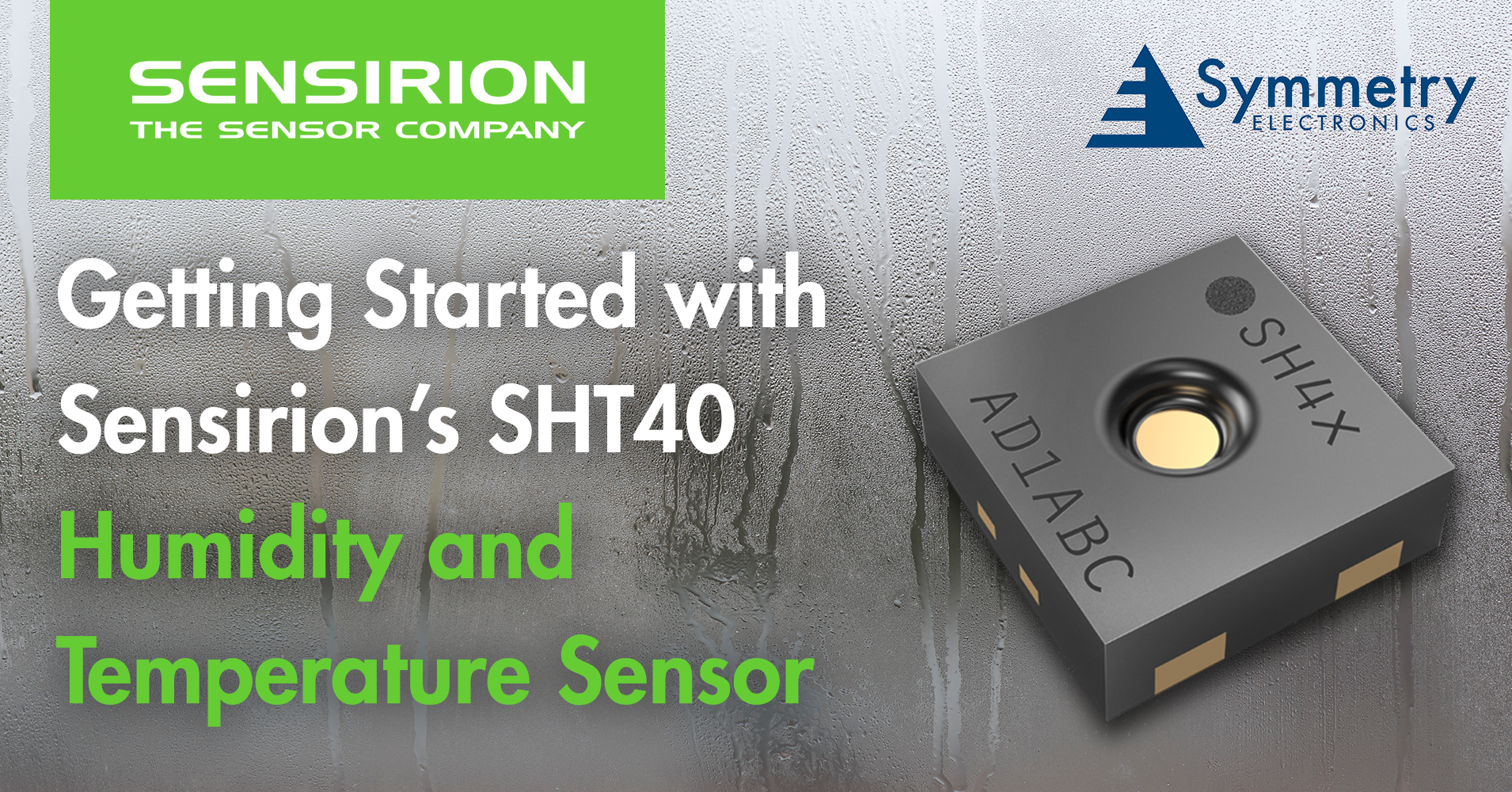
The SHT4x series by Sensiron is a digital sensor platform for measuring relative humidity (0–100 %RH) and temperature (–40–125 °C) with an I²C interface and multiple preconfigured addresses. The sensors operate at 1.08–3.6 V with ultra-low power and include a power-trimmed internal heater with three levels, enabling operation in demanding and condensing environments. Devices are supplied in a four-pin DFN package with optional PTFE membrane or removable protective cover and are delivered with sensor-specific calibration certificates traceable to ISO 17025. They meet JEDEC JESD47 qualification standards.




Frequently Asked Questions
What is a cold chain solution?
A cold chain solution is a system designed to maintain products at the required temperature throughout storage, transportation, and delivery. These solutions combine refrigeration, monitoring technology, and data management to prevent spoilage, ensure safety, and maintain compliance with industry regulations.
A cold chain solution is a system designed to maintain products at the required temperature throughout storage, transportation, and delivery. These solutions combine refrigeration, monitoring technology, and data management to prevent spoilage, ensure safety, and maintain compliance with industry regulations.
What are common types of IoT solutions used in refrigerated shipping environments?
IoT solutions for monitoring temperature in refrigerated shipping environments include sensors, telemetry devices, and connected platforms that track conditions in real-time. These solutions provide automated alerts for temperature excursions, allow historical data logging, and integrate with telematics systems to ensure products remain within safe temperature ranges.
IoT solutions for monitoring temperature in refrigerated shipping environments include sensors, telemetry devices, and connected platforms that track conditions in real-time. These solutions provide automated alerts for temperature excursions, allow historical data logging, and integrate with telematics systems to ensure products remain within safe temperature ranges.
Why is temperature monitoring important in cold chain operations?
Temperature monitoring is crucial in cold chain operations because even small deviations can spoil sensitive products like food, pharmaceuticals, and vaccines. Effective monitoring helps prevent economic losses, maintain safety and compliance, and protect a company’s reputation.
Temperature monitoring is crucial in cold chain operations because even small deviations can spoil sensitive products like food, pharmaceuticals, and vaccines. Effective monitoring helps prevent economic losses, maintain safety and compliance, and protect a company’s reputation.
How do predictive analytics support cold chain management?
Predictive analytics in cold chain management use historical and real-time data to forecast potential issues before they occur. This allows teams to plan maintenance, optimize routes, and prevent temperature excursions, ensuring shipments arrive safely and on time.
Predictive analytics in cold chain management use historical and real-time data to forecast potential issues before they occur. This allows teams to plan maintenance, optimize routes, and prevent temperature excursions, ensuring shipments arrive safely and on time.
What industries benefit from cold chain solutions?
Cold chain solutions are essential for industries that rely on temperature-sensitive products. This includes food and beverage, pharmaceuticals, biotechnology, and life sciences. Businesses in these sectors use these solutions to maintain product quality, comply with regulations, and reduce waste.
Cold chain solutions are essential for industries that rely on temperature-sensitive products. This includes food and beverage, pharmaceuticals, biotechnology, and life sciences. Businesses in these sectors use these solutions to maintain product quality, comply with regulations, and reduce waste.
Can cold chain monitoring help with regulatory compliance?
Yes, cold chain monitoring helps organizations comply with regulations like Good Distribution Practice (GDP) for pharmaceuticals and FDA or USDA guidelines for food. Accurate temperature logs and end-to-end monitoring ensure products meet safety standards and prevent fines, recalls, or rejected shipments.
Yes, cold chain monitoring helps organizations comply with regulations like Good Distribution Practice (GDP) for pharmaceuticals and FDA or USDA guidelines for food. Accurate temperature logs and end-to-end monitoring ensure products meet safety standards and prevent fines, recalls, or rejected shipments.
What are the tools helpful for cold chain packaging solutions?
The tools helpful for cold chain packaging solutions include insulated containers, gel packs, phase-change materials, temperature loggers, and sensor-enabled packaging. These tools maintain the required temperature, provide real-time monitoring, and ensure safe transport of perishable goods across cold storage, trucks, and last-mile delivery.
The tools helpful for cold chain packaging solutions include insulated containers, gel packs, phase-change materials, temperature loggers, and sensor-enabled packaging. These tools maintain the required temperature, provide real-time monitoring, and ensure safe transport of perishable goods across cold storage, trucks, and last-mile delivery.
What are the best injectable cold chain packaging solutions?
The best injectable packaging solutions combine validated insulated containers, pre-conditioned cooling elements, and integrated IoT sensors. These solutions maintain precise temperature control for vaccines, biologics, and other injectable products while allowing end-to-end monitoring and compliance with pharmaceutical regulations.
The best injectable packaging solutions combine validated insulated containers, pre-conditioned cooling elements, and integrated IoT sensors. These solutions maintain precise temperature control for vaccines, biologics, and other injectable products while allowing end-to-end monitoring and compliance with pharmaceutical regulations.
How can I design my own cold chain monitoring system?
As a global electronic components distributor, Braemac Americas supports cold chain monitoring innovation through a broad portfolio of sensors, connectivity devices, and asset tracking technologies. Additionally, Braemac Americas features a comprehensive set of value-added services that includes access to expert in-house engineers that can to provide advice and ensure your designs deliver continuous temperature monitoring, regulatory compliance, and optimized performance.
About Hope Carpenter
Hope Carpenter is a Digital Marketing Specialist at the Exponential Technology Group (XTG). With a background in journalism and marketing, she brings a research-driven, detail-oriented approach to technical content development within the electronic components industry. Her work focuses on translating complex engineering concepts into clear, accurate digital content that supports engineers and technical decision-makers, while strengthening brand visibility across XTG.
About Symmetry Electronics
Optio non dignissimos cum dolorum. A et omnis qui quibusdam eaque dolorem beatae unde. Voluptatum omnis corporis iure eos architecto. Aut perspiciatis accusantium consectetur totam sed dolor. Modi voluptas ab illo et cum.
Tags:
Asset Tracking
,
Cold Chain
,
Connectivity
,
Humidity Sensor
,
IoT
,
Supply Chain
,
Supply Chain Solutions
,
Temperature Sensor
Subscribe
Stay up to date with industry and supplier news!