- Home
- Braemac Blog
- IoT Monitoring 101
IoT Monitoring 101
Why Interoperability is a Design-Phase Priority

About Hope Carpenter
Hope Carpenter is a Digital Marketing Specialist at the Exponential Technology Group (XTG). With a background in journalism and marketing, she brings a research-driven, detail-oriented approach to technical content development within the electronic components industry. Her work focuses on translating complex engineering concepts into clear, accurate digital content that supports engineers and technical decision-makers, while strengthening brand visibility across XTG.
When people think of IoT monitoring, dashboards, cloud analytics, and software alerts often come to mind. In reality, system reliability really begins at the hardware design level. Component selection, including sensors, edge devices, gateways, embedded connectivity modules, and beyond, directly influences how reliably real-time data is collected, transmitted, and transformed into trusted, actionable intelligence.
From optimizing smart building environments to streamlining manufacturing operations, hardware design decisions directly impact system performance, scalability, and security, while enabling end-to-end visibility through advanced predictive maintenance and monitoring capabilities.
What is an IoT Monitoring Platform?
An IoT monitoring platform enables the collection, organization, analysis, and management of connected devices and networks. By turning raw data into actionable insights, IoT monitoring platforms support day-to-day operations, preventative maintenance capabilities, and enhanced decision-making.
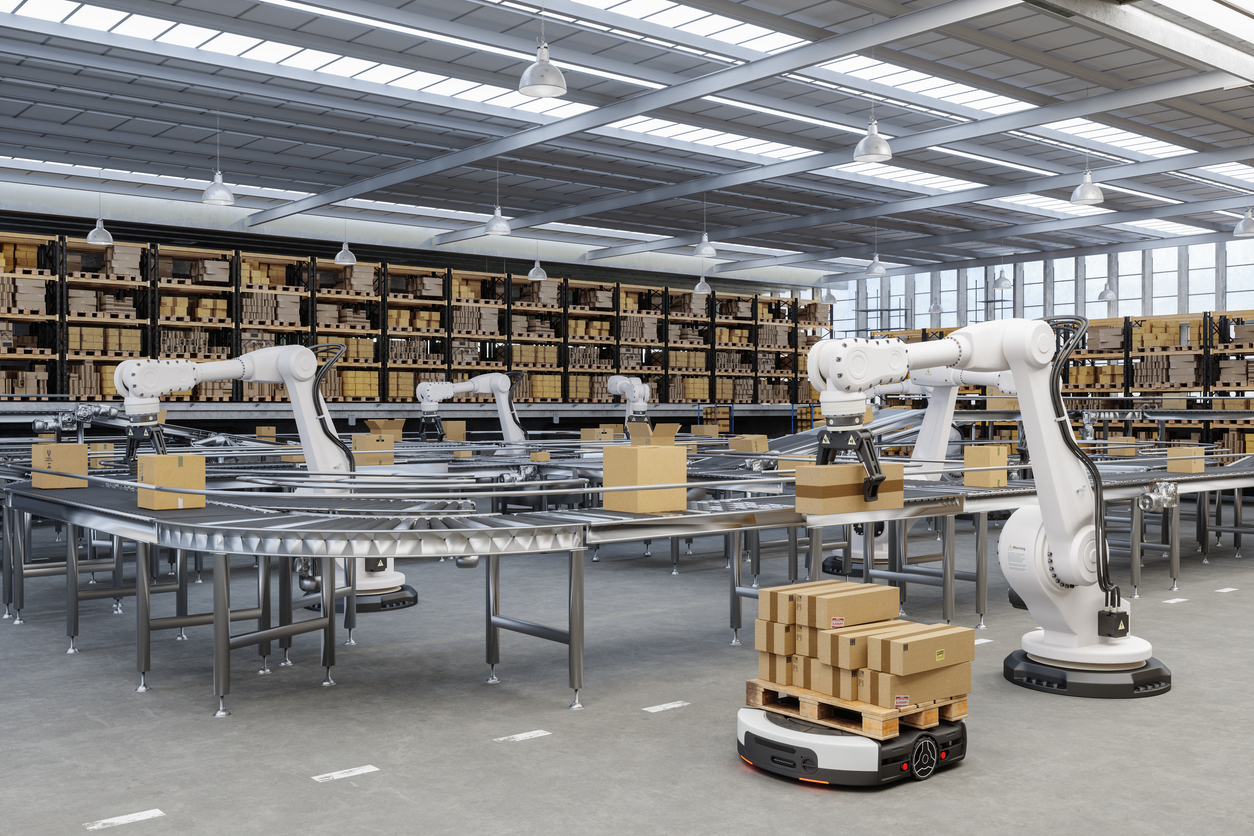
For example, in an industrial setting, sensors installed on manufacturing equipment can continuously monitor vibration and temperature, allowing teams to detect early signs of wear and schedule maintenance before a failure occurs.
Core Functions of IoT Monitoring Platforms
- Data Collection: High-quality data gathered from IoT sensors forms the foundation of reliable monitoring. Secure Data Transmission: Move data efficiently from devices to gateways and cloud platforms.
- Analytics and Processing: Edge analysis enables immediate response while cloud resources support broader insights, trend analysis, and long-term optimization.
- Event Detection and Alerting: Identify threshold detections and anomaly in real-time, triggering alerts that enable proactive maintenance and response.
- Visualization and Insight: Clean, accurate data feeds presented through dashboards provide real-time visibility into device and system health, performance, and maintenance.
Mapping Data Flow Across Connected Hardware Stacks
Behind every IoT monitoring platform is a layered hardware stack enabling efficient data flow. Understanding how data flows across this stack helps teams make informed design choices that directly impact system performance, reliability, and scalability.
Hardware Enabling Efficient Data Flow
Today’s IoT systems are developed from several interconnected hardware layers, with each playing a specific role in capturing, moving, and preparing data for analysis:
- Sensors: Detect environmental or operational conditions such as temperature, vibration, pressure, or motion. Sensor selection determines data accuracy, reliability, and responsiveness.
- Edge Devices: Microcontrollers, single-board computers (SBCs), and industrial PCs process data locally, enabling low-latency responses and reducing unnecessary cloud data transmission.
- Gateways: Serve as intermediaries, handling protocol translation, buffering, and secure transmission to cloud platforms or centralized monitoring systems.
- Embedded Connectivity Modules: Technologies such as Wi-Fi, LoRa®, NB-IoT, and 5G provide network access, with tradeoffs in range, bandwidth, latency, and power consumption.
- Power and Enclosures: Power management solutions and ruggedized enclosures support battery life, environmental protection, and operational continuity, especially in industrial or remote deployments.
How Data Moves Through a Connected IoT System
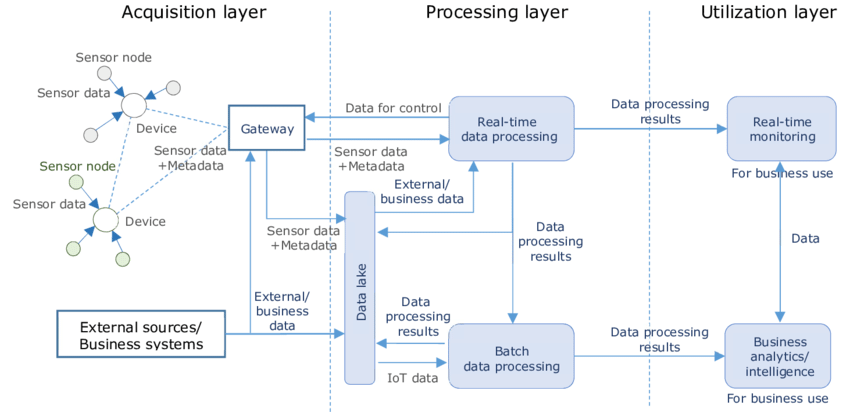
Source: Research Gate
Acquisition Layer: Devices and Sensors
In a typical IoT monitoring architecture, data originates at the acquisition layer, where sensors capture and generate raw data from real-world conditions. From there, edge devices or gateways act as a critical bridge between field devices and centralized systems, consolidating data from multiple sources, translating protocols, and ensuring secure transmissions toward backend platforms.
Processing Layer: Edge vs Cloud
Once collected, data is processed either at the edge, in the cloud, or across both, depending on application requirements. Edge processing happens right on the device or nearby, letting data be analyzed instantly. This is well-suited for time-sensitive use cases like equipment monitoring, real-time anomaly detection, and other safety-critical applications.
Cloud processing centralizes data in backend platforms where it can be stored, correlated, and analyzed in depth. Cloud resources support advanced analytics, AI models, and big-picture insights that help guide decisions across your system.
However, utilizing both cloud and edge processing enables robust, efficient data flow that harnesses the benefits of low-latency local processing, reduced network congestion, and comprehensive analysis for large-scale datasets.
Utilization and Application Layer
In the broader data flow map, the utilization (or application) layer is where IoT monitoring platforms are most visible. At this stage, processed data is presented through dashboards, alerts, reports, and analytics tools that enable users to monitor system health, track performance, and act on informed insights.
While monitoring platforms primarily operate at this layer, their overall effectiveness depends on the reliability of upstream hardware, connectivity, and processing layers. To perform at full potential, accurate sensing, secure data transport, and efficient processing ultimately determine the quality, latency, and integrity of monitoring insights.
5 Reasons Why Interoperability Matters Early on in Design-
When developing future-proof IoT systems, interoperability has to be a key consideration early on in the design phase. Here’s why it matters:
- Faster, More Reliable Integration: Components that don’t follow common protocols can cause costly delays and redesigns. Planning for compatibility from the start keeps your system running smoothly.
- Design Flexibility: Proprietary hardware may lock you into a closed ecosystem, limiting future upgrades or expansion. Interoperable components give you the freedom to adapt as your needs evolve.
- Edge-to-Cloud Data Continuity: If edge devices can’t efficiently format or forward data to cloud platforms, real-time visibility and analytics suffer. Interoperability ensures seamless data flow across the system.
- Simplified Lifecycle Management: Interoperable components make it easier to upgrade, replace, or scale parts of your system without major redesigns, extending the lifespan of your solution.
- Security Consistency: Unified standards simplify authentication, encryption, and firmware updates, helping maintain a strong and consistent security posture across devices.
Simplifying IoT System Design with Braemac Americas
As a global electronic component distributor with deep technical expertise, Braemac Americas connects developers and organizations with best-in-class solutions across sensing, connectivity, processing, edge-to-cloud infrastructure, and everything in between. Beyond hardware, our curated set of distribution partnerships ensures that developers and organizations have access to the industry’s most cutting-edge services and solutions, including subscription-based and integrated IoT monitoring platforms.
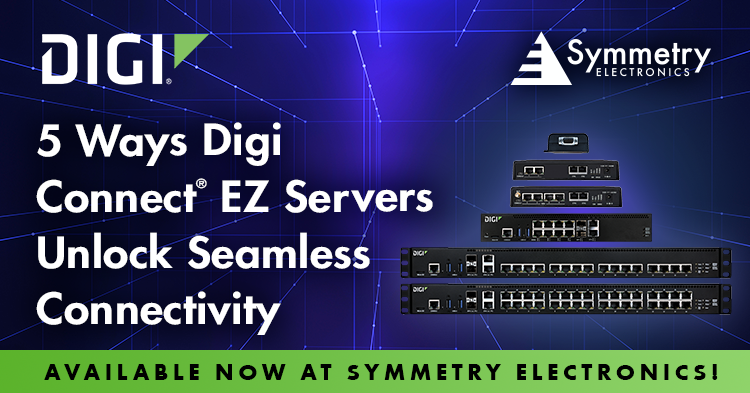
Digi International Connect EZ® Servers
Digi International Connect EZ® Servers are purpose-built for robust serial connectivity and remote management capabilities across enterprise, industrial, medical, and transportation applications.
Leveraging one full year of Digi LifeCycle Assurance, Digi’s comprehensive support and device management solution that combines 24/7/365 technical support, Digi Remote Manager® (cloud) or On-Prem Manager (local), and extended warranty coverage to help organizations deploy, monitor, and maintain connected infrastructure reliably.



Lantronix LS Series
The LS Series Smart Building Switch (LSS2200-8P) from Lantronix powers IP devices, improves building efficiency, and enhances tenant guest experiences while delivering high-performance, compact PoE++ switching with a hardened temperature rating.
Integrating the cloud-based Percepxion™ IoT Edge Solutions Platform, a proprietary device life cycle management, application integration, and data analytics platform, the LSS2200-8P is ideally suited to smart building, PoE lighting, and security/surveillance applications.

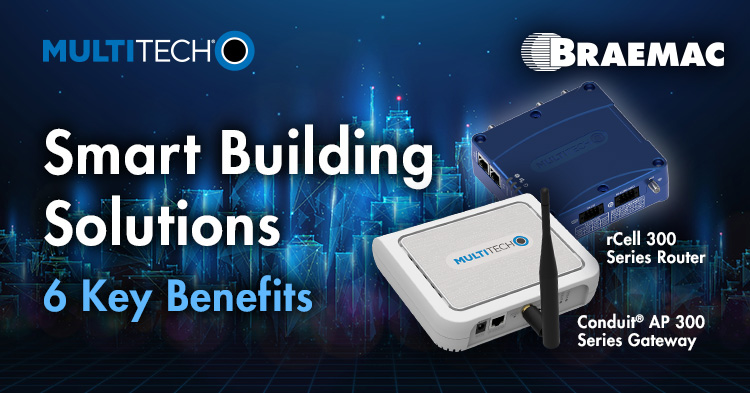
MultiTech rCell 300 Series Intelligent Router
The rCell 300 Series Intelligent Router from MultiTech goes beyond the basics of industrial routing; it’s a fully programmable, intelligent industrial IoT (IIoT) device specifically designed to support high-demand connected applications.
Featuring robust cybersecurity protections and edge-intelligence local application support, the rCell 300 Series Intelligent Router can be fully remotely managed through MultiTech Device Manager, a cloud-based device management service that lets you remotely monitor, configure, and update MultiTech IoT devices at scale.

U-blox EVK-X20P
The ZED-X20P high-precision GNSS (HPG) evaluation kit from u-blox integrates the ZED-X20P all-band high precision GNSS module, delivering centimeter-level positioning accuracy.
As a comprehensive location intelligence solution for robotics, automotive, and UAV applications, the EVK-X20P features active all-band antenna and is compatible with PointPerfect services, including PointPerfect Flex, PointPerfect Live, and PointPerfect Global, u-blox’s line of high-precision GNSS correction services that deliver sub-decimeter positioning accuracy.

.png)
About Hope Carpenter
Hope Carpenter is a Digital Marketing Specialist at the Exponential Technology Group (XTG). With a background in journalism and marketing, she brings a research-driven, detail-oriented approach to technical content development within the electronic components industry. Her work focuses on translating complex engineering concepts into clear, accurate digital content that supports engineers and technical decision-makers, while strengthening brand visibility across XTG.
Tags:
Cloud Computing
,
Connectivity
,
Data Processing
,
Edge Computing
,
IIoT
,
IoT
,
IoT Development Services
,
IoT Platform
,
IoT Protocols
,
Security
,
Standards
Subscribe
Stay up to date with industry and supplier news!