- Home
- Braemac Blog
- How Do Smart Water Meters Work?
How Do Smart Water Meters Work?

About Jari Haiston
Jari Haiston is a Marketing Communications Lead at the Exponential Technology Group (XTG). Leveraging nearly a decade of technical writing and marketing experience, she supports Braemac Americas and other XTG brands through specialized technical content creation, social media management, and on-page SEO/AEO/GEO strategy. Jari focuses on translating complex technologies into clear, engaging content that helps engineers, decision-makers, and innovators drive real-world impact.
Smart technology continues to generate efficiency in the way we use and interact with finite resources. Its impact on natural resources comes from improved monitoring, conservation, and management of water, energy, and waste, supporting more sustainable use.
Water is a precious resource that needs to be managed effectively in the face of increasing population and environmental challenges. According to the World Resources Institute, using climate and socioeconomic models to assess future water stress, 33 countries are projected to face extremely high water stress by 2040.
The good news is that smart metering capabilities are revolutionizing resource management with advanced monitoring and management capabilities. Let’s delve into what a water flow sensor is, the anatomy of a smart water meter, and how it can transform water management practices.
The Anatomy of a Smart Water Mete
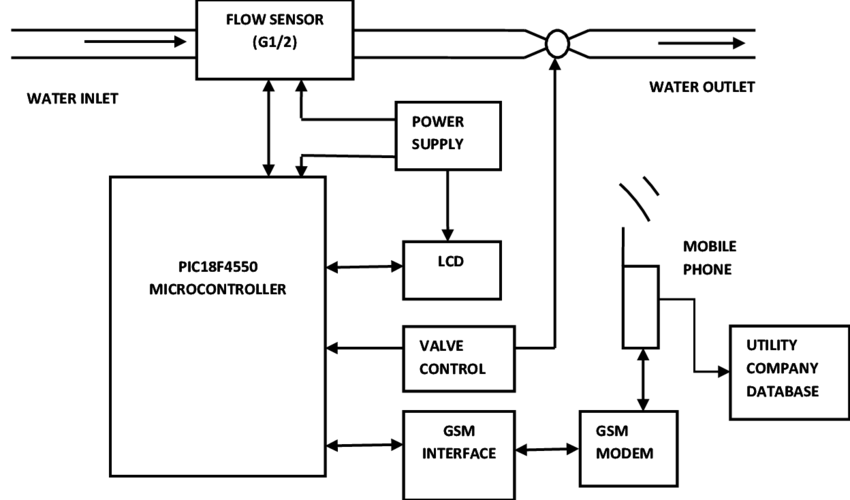
Source: ResearchGate
While smart water meter design is a full stack architecture of advanced components, high-performance sensor solutions are the foundation system design. Integrated water flow sensors are typically based on ultrasonic or electromagnetic principles that measure with precision.
Beyond the flow sensor, microcontroller units (MCUs) process data and communicate with the central monitoring system. The MCU analyzes water consumption patterns, detects leaks, and provides real-time data for better decision-making. Smart water meters use wireless communication modules such as cellular, Wi-Fi, or LoRa® to enable seamless data transmission, remote monitoring of water usage, and rapidly detect anomalies.
Advanced Monitoring and Analytics in Smart Water Meters
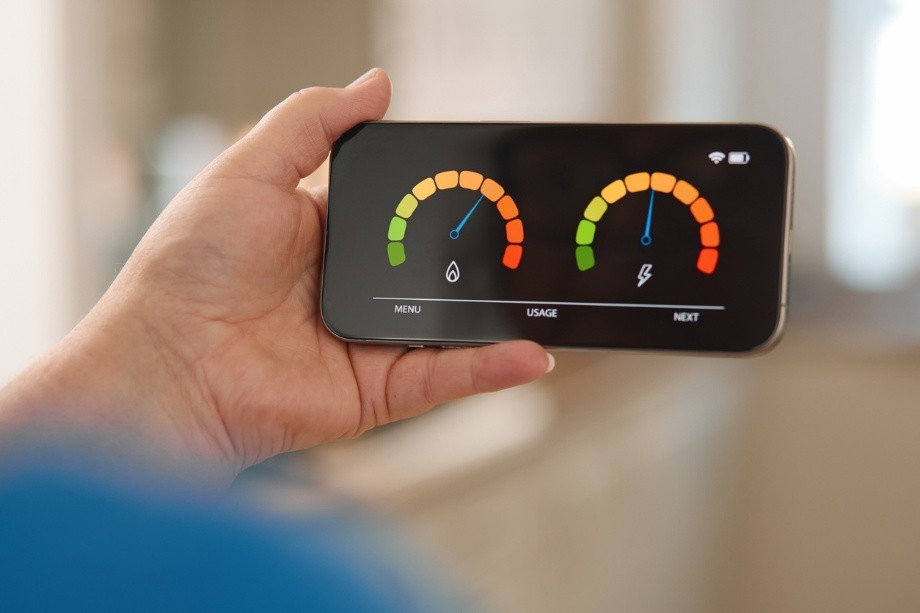
In comparison to their traditional counterparts, smart water meters go beyond basic measurement. They provide valuable insights into water consumption patterns, helping users make informed decisions about their usage. The integration of advanced data analytics enables information collected by the meter to be turned into enhanced insights into usage patterns and detailed consumption reports.
In turn, the ability to monitor water usage in real-time empowers users to track consumption, set usage goals, and optimize efficiency. By detecting leaks early on, smart water meters also help prevent water waste and reduce the risk of property damage.
How to Make Existing Water Infrastructure Intelligent
Additionally, smart water meters offer convenient implementation in existing water infrastructure. Smart water meters can be retrofitted to replace traditional meters or incorporated into new installations. Their seamless integration is suitable for both residential and commercial applications, helping water companies and homeowners manage water usage data efficiently.
10 Smart Water Meter Use Cases
1. Residential Water Management: Smart water meters in homes allow homeowners to monitor their water usage, detect leaks, and take proactive measures to conserve water and reduce utility bills.2. Commercial and Industrial Water Management: Smart water meters in commercial and industrial facilities monitor and manage large-scale water consumption, identify inefficiencies, and optimize water usage for cost savings and sustainability.
3. Utility Management: Utility companies utilize smart water meters to remotely monitor water consumption, streamline meter reading, and improve overall operational efficiency.
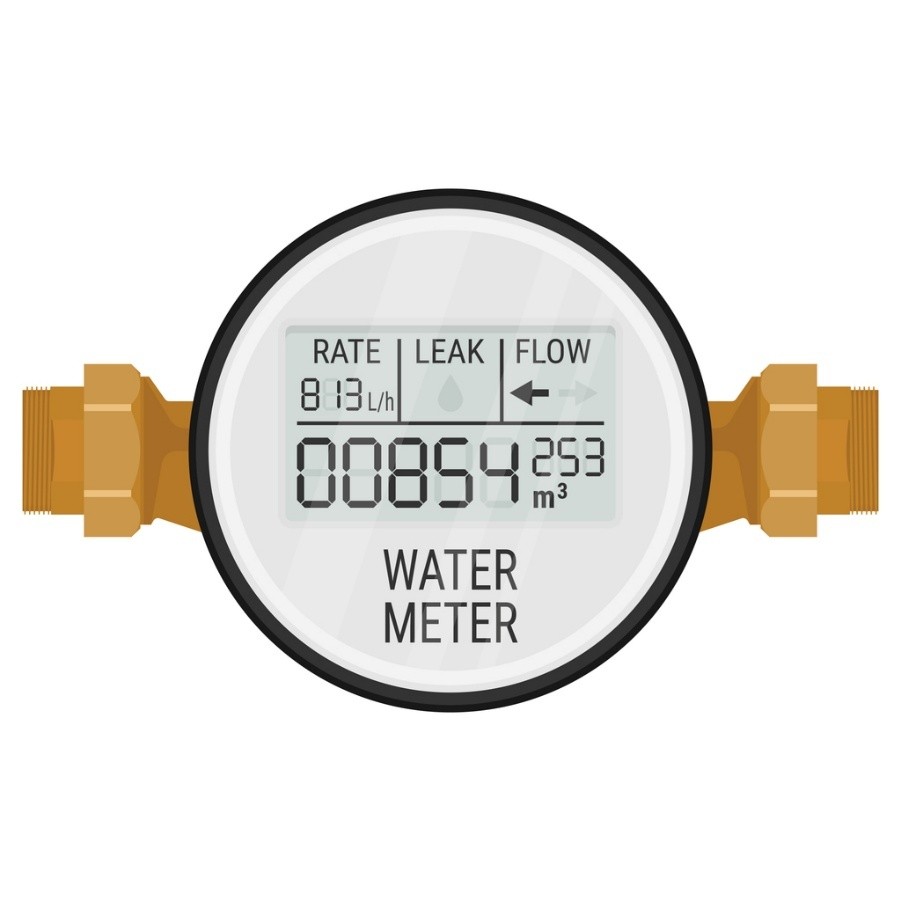
4. Leak Detection and Prevention: Smart water meters continuously monitor water flow and pressure, enabling early leak detection and minimizing water loss. Real-time alerts allow for prompt action to mitigate damage and reduce water waste.
5. Water Conservation Programs: Smart water meters play a crucial role in water conservation programs by providing users with detailed consumption data, usage analytics, and personalized recommendations for water-saving practices.
6. Municipal Water Management: Smart water meters in municipal water systems enable monitoring and control of water supply, distribution, and infrastructure maintenance, improving resource management.
7. Irrigation Management: Smart water meters integrated with irrigation systems allow for precise monitoring and control of water usage in landscaping, agriculture, and public green spaces, optimizing irrigation schedules and minimizing water waste.
8. Real Estate and Property Management: Smart water meters in rental properties and multi-unit buildings help property managers track individual water usage, allocate costs accurately, and identify opportunities for conservation and cost reduction.
9. Water Quality Monitoring: Some advanced smart water meters are equipped with sensors to monitor water quality parameters, providing early detection of contaminants or changes in water quality, and ensuring safe drinking water for consumers.
10. Data-driven Decision Making: The data collected by smart water meters enables data-driven decision making for water resource management, infrastructure planning, and policy formulation to ensure long-term sustainability and resilience in water systems.
5. Water Conservation Programs: Smart water meters play a crucial role in water conservation programs by providing users with detailed consumption data, usage analytics, and personalized recommendations for water-saving practices.
6. Municipal Water Management: Smart water meters in municipal water systems enable monitoring and control of water supply, distribution, and infrastructure maintenance, improving resource management.
7. Irrigation Management: Smart water meters integrated with irrigation systems allow for precise monitoring and control of water usage in landscaping, agriculture, and public green spaces, optimizing irrigation schedules and minimizing water waste.
8. Real Estate and Property Management: Smart water meters in rental properties and multi-unit buildings help property managers track individual water usage, allocate costs accurately, and identify opportunities for conservation and cost reduction.
9. Water Quality Monitoring: Some advanced smart water meters are equipped with sensors to monitor water quality parameters, providing early detection of contaminants or changes in water quality, and ensuring safe drinking water for consumers.
10. Data-driven Decision Making: The data collected by smart water meters enables data-driven decision making for water resource management, infrastructure planning, and policy formulation to ensure long-term sustainability and resilience in water systems.
Smart Water Meter Solutions
Embracing smart water meter solutions can pave the way for efficient water management on a global scale. A digitally transformed water cycle is not only easy to use and implement, but critical in overcoming water scarcity. Smart water meters have revolutionized the way we manage and conserve water resources through advanced monitoring capabilities, real-time data analysis, and user-friendly interfaces. Integrating smart water meters in existing water infrastructure enables individuals and utility companies to make more informed decisions, reduce water wastage, and contribute to a sustainable future.
Developing Smart Water Meter Innovation with Solutions Available at Braemac Americas
As a leading provider of electronic components and system-level solutions, Braemac Americas is uniquely positioned to support the development of advanced smart water meters. We leverage a broad portfolio spanning semiconductors, embedded connectivity, high-precision sensors, and integration technologies. Complemented by a comprehensive set of value-added services including engineering support, design assistance, and deployment guidance, we empower engineers to accelerate development, optimize system performance, and deliver reliable, future-ready metering solutions.
Featured Products
Sensirion SLF3S Series Liquid Flow Sensors
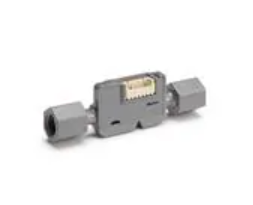
The Sensirion SLF3S series are liquid flow sensors engineered for OEM applications requiring accurate, reliable, and fast flow measurement. Each sensor integrates the sensing element, signal processing, and digital calibration on a single chip using Sensirion’s CMOSens ® technology, providing long-term stability, excellent signal-to-noise ratio and response times under 20 ms. Calibrated for H₂O and IPA and temperature compensated, these sensors operate with no moving parts, ensuring low maintenance and high durability in a variety of environments. Featuring a digital I2C interface, they are ready for seamless integration into advanced measurement and control systems.
| Image | Manufacturer | Part Number | Description | Data Sheet | Pricing | Buy | |
|---|---|---|---|---|---|---|---|
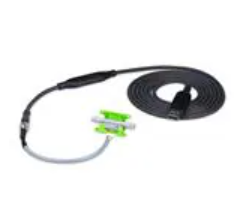 | Sensirion | SLF3S-4000B | Multiple Function Sensor Development Tools Sensor, USB interface, mounting support for evaluation of SLF3S-4000B |  | 1: $287.54 | ||
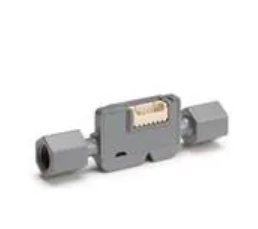 | Sensirion |
| Flow Sensors Liquid Flow Meter | | 1: $164.17 | ||
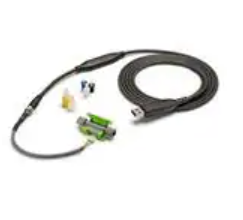 | Sensirion | SLF3S-1300F | Multiple Function Sensor Development Tools Flow Meter Kit, Liquid Flow | | 1: $287.54 | ||
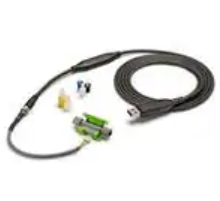 | Sensirion | SLF3S-0600F | Multiple Function Sensor Development Tools Flow Meter Kit, Liquid Flow | | 1: $287.54 | ||
 | Sensirion |
| Flow Sensors Liquid Flow Meter | | 1: $164.17 |
FAQ (Frequently Asked Questions)
What is a smart water meter?
A smart water meter is a digitally connected device. A smart water meter measures water flow with high precision and provides real-time consumption data. Unlike traditional meters, a smart water meter integrates IoT sensors, microcontrollers, and wireless communication modules to monitor usage, detect leaks, and deliver actionable insights.
How does a smart water meter work?
A smart water meter works by using an ultrasonic or electromagnetic sensor to measure water flow. A smart water meter’s microcontroller unit (MCU) processes the data and communicates with a central monitoring system via wireless modules such as cellular, Wi-Fi, or LoRa. This allows a smart water meter to provide real-time monitoring, leak detection, and detailed reporting.
A smart water meter works by using an ultrasonic or electromagnetic sensor to measure water flow. A smart water meter’s microcontroller unit (MCU) processes the data and communicates with a central monitoring system via wireless modules such as cellular, Wi-Fi, or LoRa. This allows a smart water meter to provide real-time monitoring, leak detection, and detailed reporting.
Can smart water meters be added to existing infrastructure?
Yes, smart water meters can be added to existing infrastructure. A smart water meter can replace a traditional meter or be incorporated into new installations. Smart water meters are suitable for both residential and commercial applications, allowing seamless integration without major infrastructure changes.
Yes, smart water meters can be added to existing infrastructure. A smart water meter can replace a traditional meter or be incorporated into new installations. Smart water meters are suitable for both residential and commercial applications, allowing seamless integration without major infrastructure changes.
What are the benefits of using smart water meters?
The benefits of using smart water meters include real-time monitoring of water usage, early leak detection, and detailed consumption reports. Smart water meters also support data-driven decision-making, optimize water use in irrigation, municipal, and industrial systems, and contribute to water conservation efforts.
The benefits of using smart water meters include real-time monitoring of water usage, early leak detection, and detailed consumption reports. Smart water meters also support data-driven decision-making, optimize water use in irrigation, municipal, and industrial systems, and contribute to water conservation efforts.
How can smart water meters help reduce water scarcity?
Smart water meters help reduce water scarcity by providing accurate monitoring and actionable insights. A smart water meter allows users to identify inefficiencies, adjust consumption, and prevent water loss, supporting sustainable water management when deployed widely.
Smart water meters help reduce water scarcity by providing accurate monitoring and actionable insights. A smart water meter allows users to identify inefficiencies, adjust consumption, and prevent water loss, supporting sustainable water management when deployed widely.
Who can benefit from smart water meters?
Many sectors can benefit from smart water meters. Residential households, commercial and industrial facilities, utility companies, municipal water systems, irrigation and agricultural operations, and property managers can all improve water monitoring, efficiency, and conservation with smart water meters.
Many sectors can benefit from smart water meters. Residential households, commercial and industrial facilities, utility companies, municipal water systems, irrigation and agricultural operations, and property managers can all improve water monitoring, efficiency, and conservation with smart water meters.
Do smart water meters monitor water quality as well as usage?
Some advanced smart water meters can monitor water quality. A smart water meter with water quality sensors can detect contaminants or changes in water quality, helping ensure safe drinking water for consumers.
Some advanced smart water meters can monitor water quality. A smart water meter with water quality sensors can detect contaminants or changes in water quality, helping ensure safe drinking water for consumers.
How can I design my own smart water meter system?
You can design your own smart water meter system with guidance from Braemac Americas. A smart water meter solution from Braemac Americas comes with a broad portfolio of components, and our Applications Engineers are available throughout the design cycle to provide advice and ensure your system meets your specific needs.
You can design your own smart water meter system with guidance from Braemac Americas. A smart water meter solution from Braemac Americas comes with a broad portfolio of components, and our Applications Engineers are available throughout the design cycle to provide advice and ensure your system meets your specific needs.
About Jari Haiston
Jari Haiston is a Marketing Communications Lead at the Exponential Technology Group (XTG). Leveraging nearly a decade of technical writing and marketing experience, she supports Braemac Americas and other XTG brands through specialized technical content creation, social media management, and on-page SEO/AEO/GEO strategy. Jari focuses on translating complex technologies into clear, engaging content that helps engineers, decision-makers, and innovators drive real-world impact.
Subscribe
Stay up to date with industry and supplier news!